🎶 BO2025
On New Year’s Day, I put out a playlist that contains the 100 tracks I discovered the previous year that I’ve enjoyed the most. So here is my Best Of 2025 in music: BO2025 – hope you enjoy.

On New Year’s Day, I put out a playlist that contains the 100 tracks I discovered the previous year that I’ve enjoyed the most. So here is my Best Of 2025 in music: BO2025 – hope you enjoy.
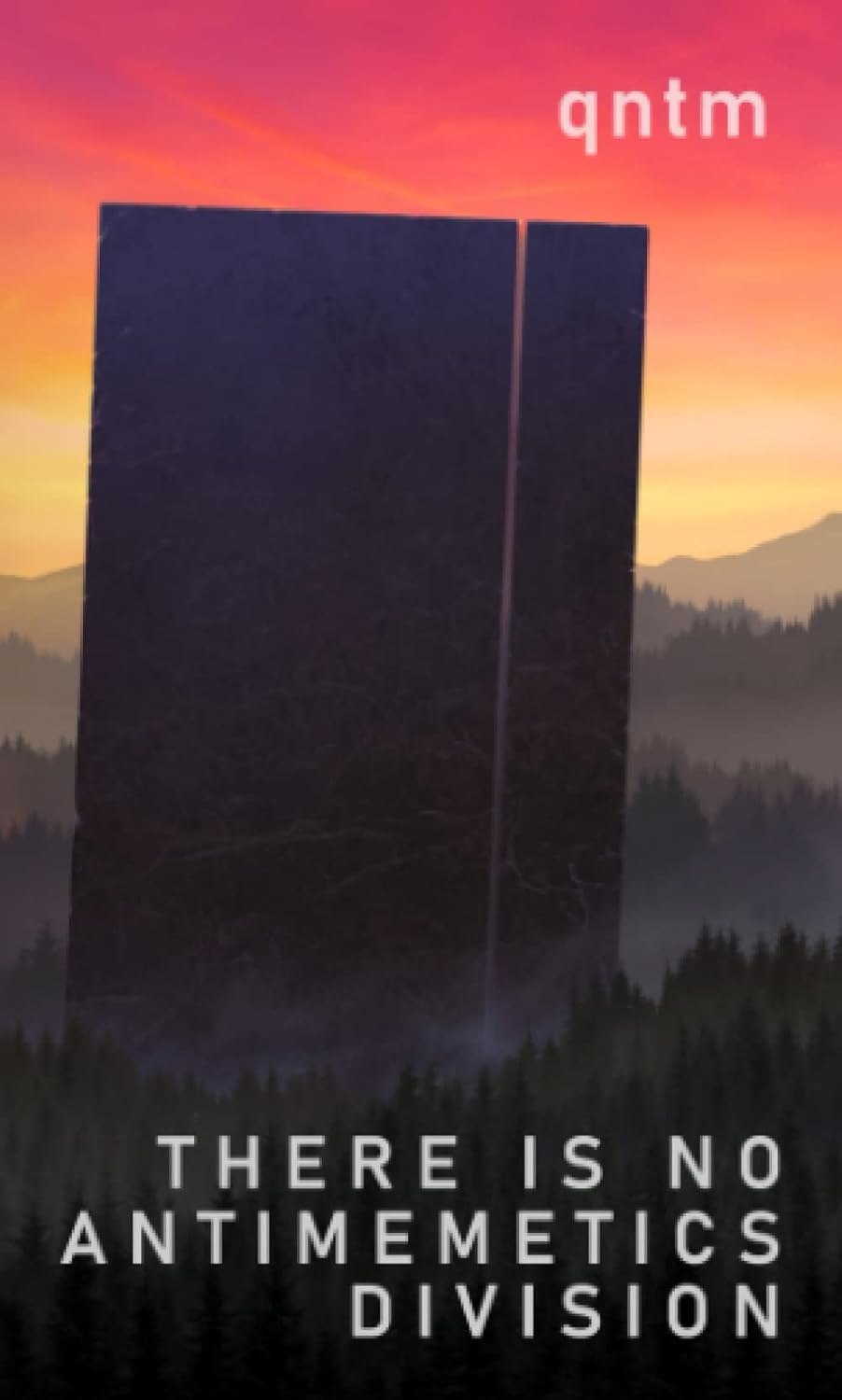
U-0055 is an “antimeme”, an entity that somehow escapes people's memory. It sits in a secret facility but no one remembers how it landed there. In fact, no one can even recall it's there or what it is. Is it an object, a person or could it be just an idea? It could be a major threat but no one can come up with a plan to defeat it since no one is aware of it.
This is only a summary of the prologue of this book and it got me hooked. I was in for a ride because things only got crazier from there. The novel is described as at the crossing between scifi and cosmic horror, with a terrifying enemy that no one is even allowed to remember as just thinking about it would invite it. The story focuses on Marie, the head of the Antimemetics Division, who discovers many people in the organisation have disappeared and no one even remembers they were there, meaning something is at play. There is a “no one is safe” approach and Murphy's Law is in full swing, especially halfway through the book when the situation goes from bad to way worse. Another thing is that pretty much every detail serves a purpose in this book, everything resufaces at some point. There were some really good ideas. Special mention to the idea around the character of Adrian Gage was, even though he only appears in one chapter. It's a short but intense book, just like I like them ❤️ Definitely one of my favourites this year.
NB: I read a new edition with a different cover and minor story differences but I preferred this one so I picked it for illustration.
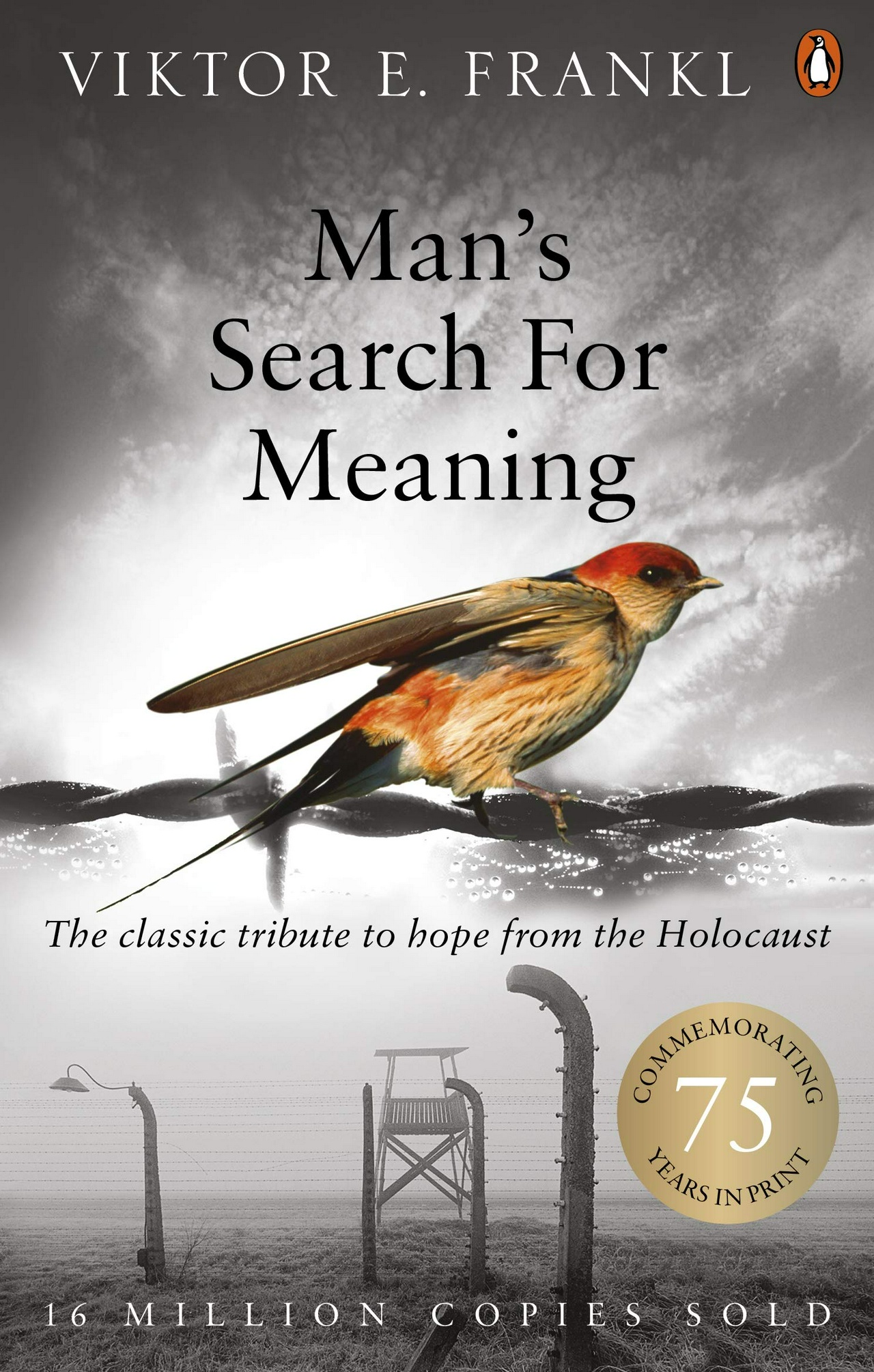
In this essay, Austrian psychiatrist Viktor E. Frankl reports his experience in concentration camps under the Third Reich. He also elaborates on logotherapy, a new psychotherapy method he based on the importance of the meaning of one's life.
I read Primo Levi's If This Is A Man ages ago but it's always shocking to read about the atrocities that occurred during Nazi Germany. Of course, there is the never-ending list of crimes perpetrated by the regime, notably the arbitrary executions, the starving, the enslavement, the beatings, the extremely dire life conditions and all-around dehumanisation of the prisoners, but I had forgotten some things, for example, that a number of companies used forced labour from the camps, despite these individuals looking clearly unwell.
Frankl gives the most earnest account possible and articulates his existentialist perspective on the horror. He believes that someone who could find meaning in their suffering was more likely to survive. He recalls seeing several inmates going through a mental breakdown and giving up only to die mere days later, like a psychic death preceding the physical one. Of course, a lot of the prisoners, whether they could find meaning or not, could not escape their fate, because those in charge had decided to kill them for whatever reason. Frankl relates escaping death several times, not out of wit but out of pure luck. The importance of meaning appears as well when Frankl got arbitrarily beaten. Suffering is one thing but suffering for no valid reason is even worse.
In that respect, Frankl's book is an important account of what happened and we need to remember what atrocities a fascist regime can commit because, of course, we need to prevent it from happening again. That said, despite some good insights, I was expecting more from the logotherapy part. This is not a scientific treatise, it's just an outline of an approach, but it's an interesting collection of views.
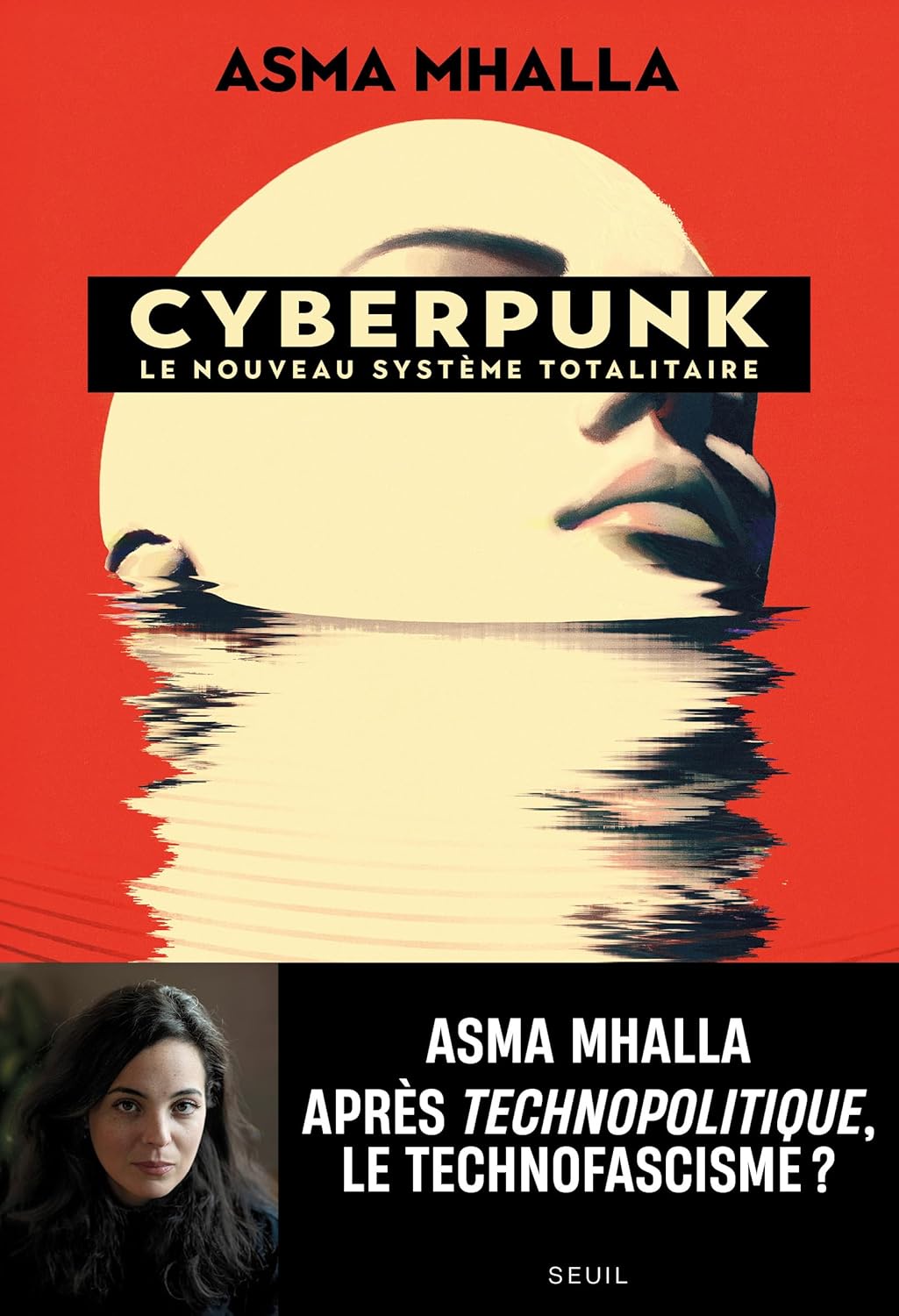
A French essayist offers an interpretation of the geopolitical tipping point we are experiencing. She asserts that, in 2025, we already live in a technological dystopia.
First of all, I really enjoyed the writing in this book, Asma Mhalla has a talent for neologisms and catchy sentences. Now, when it comes to the content, I agree with her analysis: the situation in the US is critical and its technological preeminence means it will reverberate across the world. Democracy is at bay. One thing though is that because the book analyses the current moment, it can't back up its claims with studies, data or even investigations because those things take time so it can only interpret what we know. I'm not sure whether everything that has happened so far was deliberate in the collusion between some companies and the State. For example, I don't think social networks were designed to push directly for fascism, they were made to make money and it so happened that outrageous content was very good at keeping people engaged and therefore was more profitable. But it is true indeed that in the future, those side effects might be chosen rather than coincidental.
The book ends with a short “anti-conclusion” in a way to challenge us to think for ourselves and make our own interpretation, because we have to stop eating the slop and we need to put our brains to work. It's very light when it comes to solutions though Mhalla gives some advice as to how to survive this new era. Interestingly, among other things, she mentions humour as a way to resist, because it conjures the fear away and allows to think more freely. It's funny, earlier this year I read a post from a HIV activist (which I unfortunately could not retrieve) saying what was happening was reminding them of the peak of the AIDS crisis and one tip they had for the new generation was: dance. I guess the idea is that you have to survive, you have to fight for your rights but one important way to do that is to keep living fully and authentically, as much as possible.
Hello World!